
 By
By 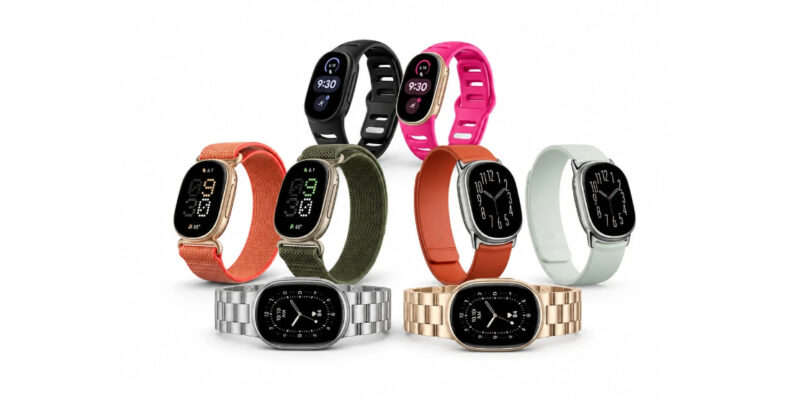
Key Highlights
- Google Fitbit Edge features a 1.34-inch AMOLED display with always-on functionality.
- It includes built-in GPS, ECG, SpO2, heart rate and skin temperature tracking.
- The fitness tracker is claimed to deliver up to seven days of battery life.
- Its 65mAh battery is user-replaceable, making it Google’s first repairable fitness tracker.
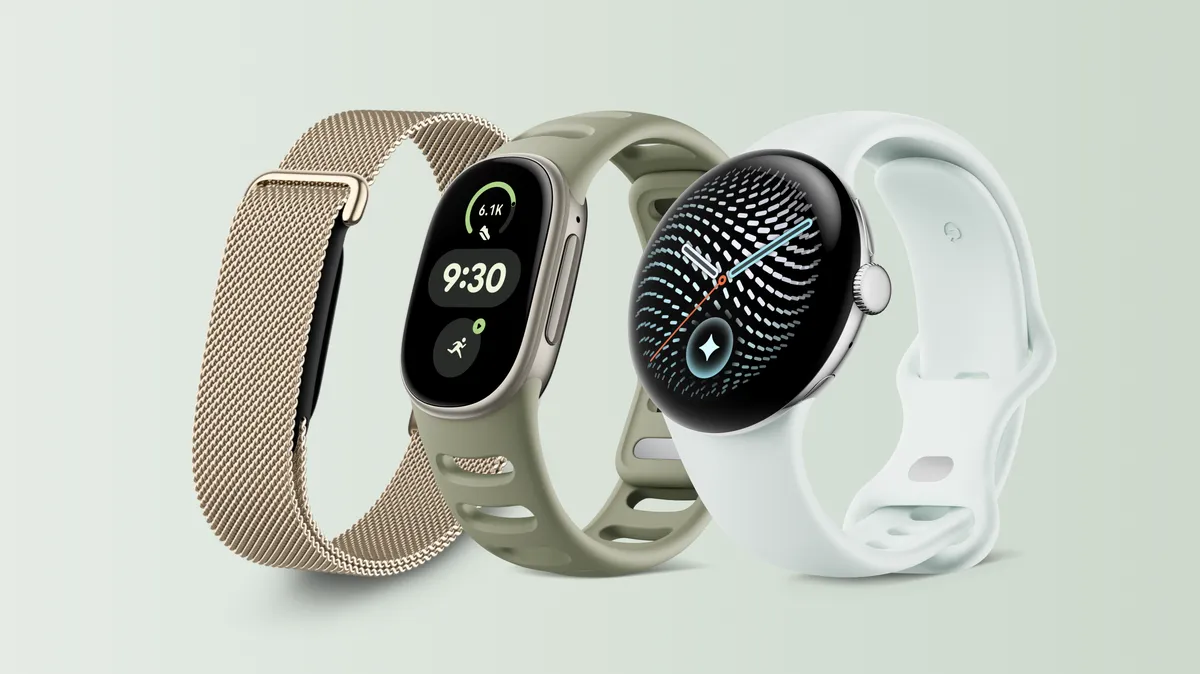
Google has launched the Fitbit Edge, a new fitness tracker designed for people who want a screen, built-in GPS and advanced health monitoring without wearing a full-fledged smartwatch. the device sits between the screenless Fitbit Air and the Pixel Watch 5 in Google’s wearable lineup.
The Fitbit Edge combines a lightweight aluminium design with a 1.34-inch AMOLED display, on-wrist workout guidance and a replaceable battery. Google has not confirmed an Indian launch or local pricing.
| Feature | Details |
|---|---|
| Brand | |
| Model | Fitbit Edge |
| Launch date | October 12, 2026 |
| Display | 1.34-inch AMOLED, always-on support |
| Dimensions | 39.22 × 25.56 × 11.58mm |
| Weight | 17.7g without band |
| Processor | Ambiq AP5 MCU |
| Memory | 64MB NOR flash |
| Sensors | Heart rate, ECG, SpO2, skin temperature, accelerometer, gyroscope, altimeter, ambient light |
| GPS | Built-in; GPS, Galileo, GLONASS, BeiDou and QZSS |
| Connectivity | Bluetooth 5.4 |
| Battery | 65mAh, user-replaceable |
| Battery life | Up to 7 days; up to 2 days with always-on display |
| Charging | Magnetic charging; 5 minutes provides up to 1 day of use |
| Water resistance | 5 ATM and IP68 |
| Software | Custom Fitbit interface with Google Health integration |
| Compatibility | Android 11 or later; iOS 16.4 or later |
| Colours | Matte Black, Satin Silver, Satin Pyrite and Champagne Gold |
| Price | $179.99; Stephen Curry Edition $219.99 |
| Availability | US pre-orders open; retail sales start October 27 |
Design and Build
The Fitbit Edge features an aluminium case measuring 11.58mm thick and weighing 17.7g without the strap. Google uses 100% recycled aluminium in the housing, while a physical side button provides tactile control for navigating menus and managing workouts.
Four standard colour combinations are available, paired with Obsidian, Fog, Olive or Canyon bands. The tracker also carries 5 ATM and IP68 ratings, making it suitable for swimming and everyday exposure to water when used within the manufacturer’s guidelines.
Its most notable design feature is repairability. The Edge has a modular internal construction and a user-replaceable battery, potentially extending its useful life compared with wearables that must be replaced when their batteries deteriorate.
Display and Interface
The 1.34-inch AMOLED display supports an always-on mode and offers 46% more viewing area than previous Fitbit trackers, according to Google. It presents fitness statistics, notifications and customisable clock faces in a glanceable tile-based interface.
Users can access steps, weather, heart rate and sleep information, along with Google Maps guidance, media controls, alarms, timers and call notifications. Quick replies are also supported on compatible devices and platforms.
Unlike the Pixel Watch 5, the Fitbit Edge does not run Wear OS. Its focused interface prioritises essential information and workout controls rather than a full smartwatch app experience.
Performance and Fitness Tracking
The tracker runs on an Ambiq AP5 microcontroller paired with 64MB of NOR flash memory. Google has not published independent benchmark results, and this hardware should be assessed primarily in terms of its tracking and everyday wearable functions rather than smartphone-style processing performance.
The Fitbit Edge supports more than 50 exercise modes, real-time workout guidance and automatic recognition of up to 100 activities. Its built-in GPS allows users to record outdoor routes without carrying a connected phone, while an altimeter tracks elevation changes during runs and stair workouts.
Google claims GPS tracking accuracy improves by up to 40% compared with previous generations. This remains a manufacturer claim rather than an independently verified result.
Health and Fitness Features
The Fitbit Edge includes optical heart rate monitoring, ECG-compatible electrical sensors, red and infrared sensors for blood oxygen measurements, and a skin temperature sensor. It also supports sleep-stage analysis, heart rate variability tracking and recovery-related insights.
Google’s Health Guardian features include blood pressure and insulin resistance trends, alongside high and low heart rate alerts. These are intended for general wellness rather than diagnosis and do not provide real-time clinical blood pressure or insulin resistance measurements. Availability varies by region.
Google Health Coach offers personalised fitness plans and guidance, with certain features requiring a Google Health Premium subscription. Buyers receive three months of Google Health Premium with the tracker. The ongoing subscription cost should be considered when evaluating the long-term value of its coaching features.
Battery and Charging
The Fitbit Edge packs a 65mAh rechargeable lithium-ion battery that Google rates for up to seven days of use. That figure is an estimate based on specified testing conditions, and actual battery life will depend on usage and enabled features.
Keeping the always-on display enabled reduces the claimed battery life to up to two days. Magnetic charging can provide up to a day of use from a five-minute charge, according to Google, while a full charge takes approximately 90 minutes.
Price and Availability
The Google Fitbit Edge costs $179.99 in the US, while the Stephen Curry Special Edition costs $219.99. Both versions are available for pre-order through the Google Store and participating retail partners, with retail sales scheduled to begin on October 27, 2026.
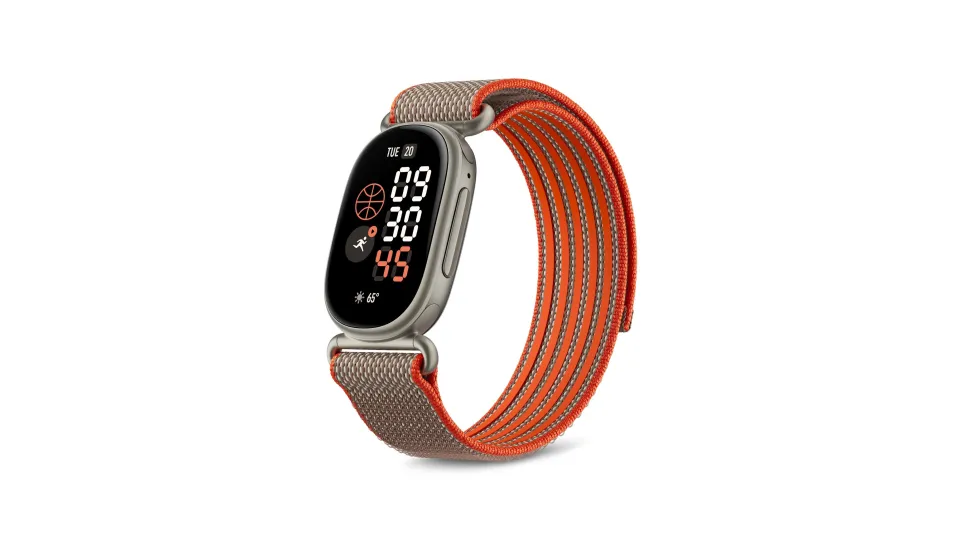
Stephen Curry edition
The standard model comes in Matte Black Aluminium with an Obsidian band, Satin Silver Aluminium with Fog, Satin Pyrite Aluminium with Olive, and Champagne Gold with Canyon. The Stephen Curry edition uses a Satin Pyrite case and a special band featuring his signature colours.
Competition and Alternatives
The Fitbit Edge’s closest alternative within Google’s lineup is the Fitbit Air, which focuses on screenless health and sleep tracking. The Edge adds a display, built-in GPS and ECG functionality, making it more useful for people who want to check workout information directly on their wrist.
The Pixel Watch 5 is worth considering for buyers who need a more comprehensive smartwatch experience. The Edge, however, offers a lighter design and longer claimed battery life, with a greater emphasis on fitness tracking than general-purpose smartwatch applications.
Final Verdict: Should You Buy It?
The Google Fitbit Edge is aimed at people who want more information and control on their wrist than a basic fitness band provides, without moving to a full smartwatch. Its combination of built-in GPS, an AMOLED display, health sensors and a replaceable battery gives it a clear identity in Google’s wearable range.
The biggest practical advantages are its lightweight construction and repairable design. However, buyers should consider the shorter battery life with the always-on display enabled and the potential ongoing cost of premium coaching features.
Best for: Runners, fitness enthusiasts and users who want on-wrist health information without a full smartwatch.
Consider alternatives if: You mainly need sleep tracking, want a full smartwatch app ecosystem or prioritise longer battery life with the screen always on.
Bottom line: At $179.99, the Fitbit Edge is a noteworthy option for fitness-focused users, particularly those who value repairability. Its value in India will depend on the official local price, feature availability and subscription costs.



Comments